If you want to stand out in Moorestown’s spring market, listing your home is only part of the job. The homes that make the strongest first impression often start with smart preparation long before the sign goes up. When you know where to focus, you can make your home feel cleaner, brighter, and more market-ready from the first photo to the first showing. Let’s dive in.
Why spring prep matters in Moorestown
Moorestown offers a setting that naturally rewards strong presentation. The township describes itself as a 15.1-square-mile community with about 21,355 residents, and its downtown is known for tree-lined streets, historic buildings, restaurants, cultural venues, and annual community events. That means buyers are often noticing the full picture, starting with what they see from the curb.
As of April 2026, Realtor.com described Moorestown as a balanced market, with 88 homes for sale, a median listing price of $800,000, and a median 32 days on market. Zillow’s Moorestown Township data showed a typical home value of $768,183 and homes pending in around 19 days. Even with different methods, both point to the same takeaway: presentation and pricing still matter.
Spring is still a popular time to sell, but timing alone does not do the heavy lifting. Realtor.com’s 2026 guidance notes that local conditions and mortgage rates also shape results. In a market like Moorestown, thoughtful prep can help you launch with more confidence.
Start with the basics first
Before you think about photos, open houses, or listing dates, focus on the home itself. The most commonly recommended prep steps from the 2025 NAR staging report are decluttering, whole-home cleaning, and curb appeal improvements. Those three steps create the foundation for everything that follows.
Declutter room by room
Decluttering is often the first and most important move because it changes how your home feels right away. It can make rooms look larger, help buyers focus on the space instead of your belongings, and make packing later much easier. If you are not sure where to begin, start with flat surfaces, overfilled closets, and extra furniture.
A practical way to approach it is to sort items into four groups:
- Keep for your next home
- Store during the listing period
- Donate
- Discard
Try to leave breathing room in each space. Buyers do not need to see everything your home can hold. They need to see how easily they could live there.
Deep clean every surface
Once clutter is reduced, a deep clean has more impact. According to NAR, whole-home cleaning is one of the top recommendations sellers receive before listing. Clean homes signal care, and care builds trust.
Pay special attention to:
- Floors and baseboards
- Windows and mirrors
- Kitchens and appliance fronts
- Bathrooms, grout, and fixtures
- Light switches, doors, and trim
If your schedule is tight, professional cleaning may be worth considering. A polished home tends to show better in person and in photos.
Refresh curb appeal early
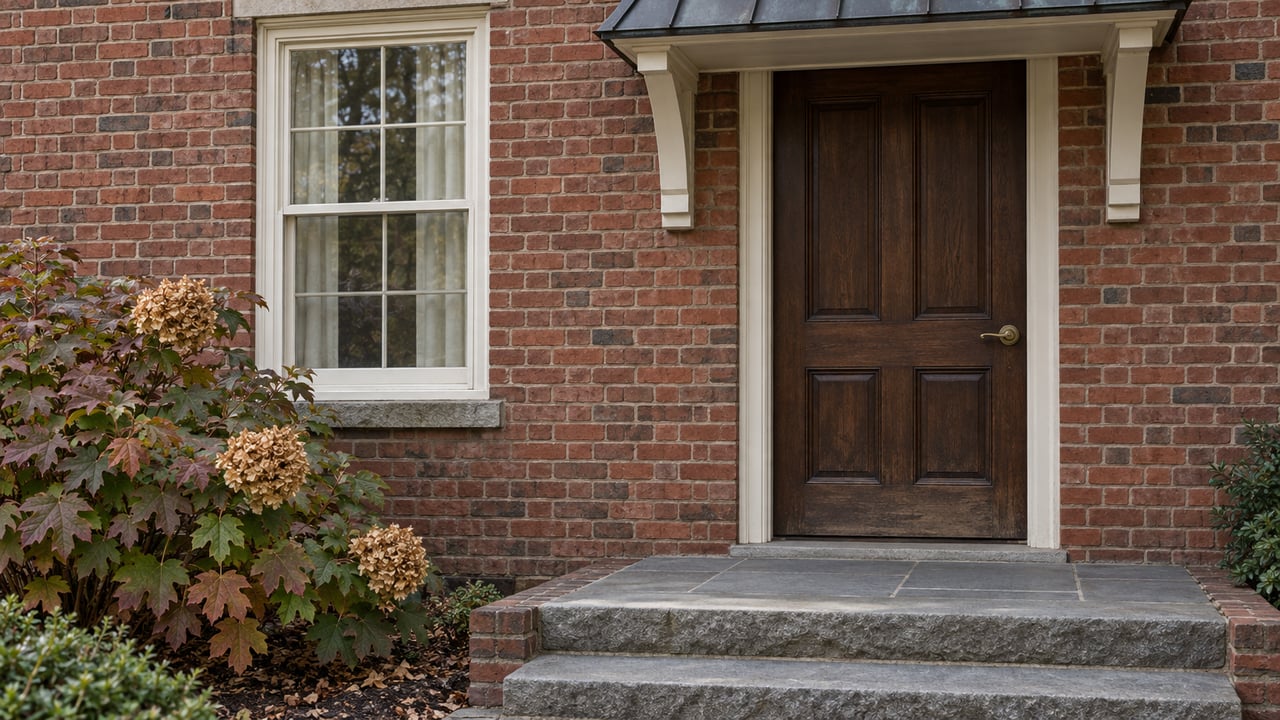
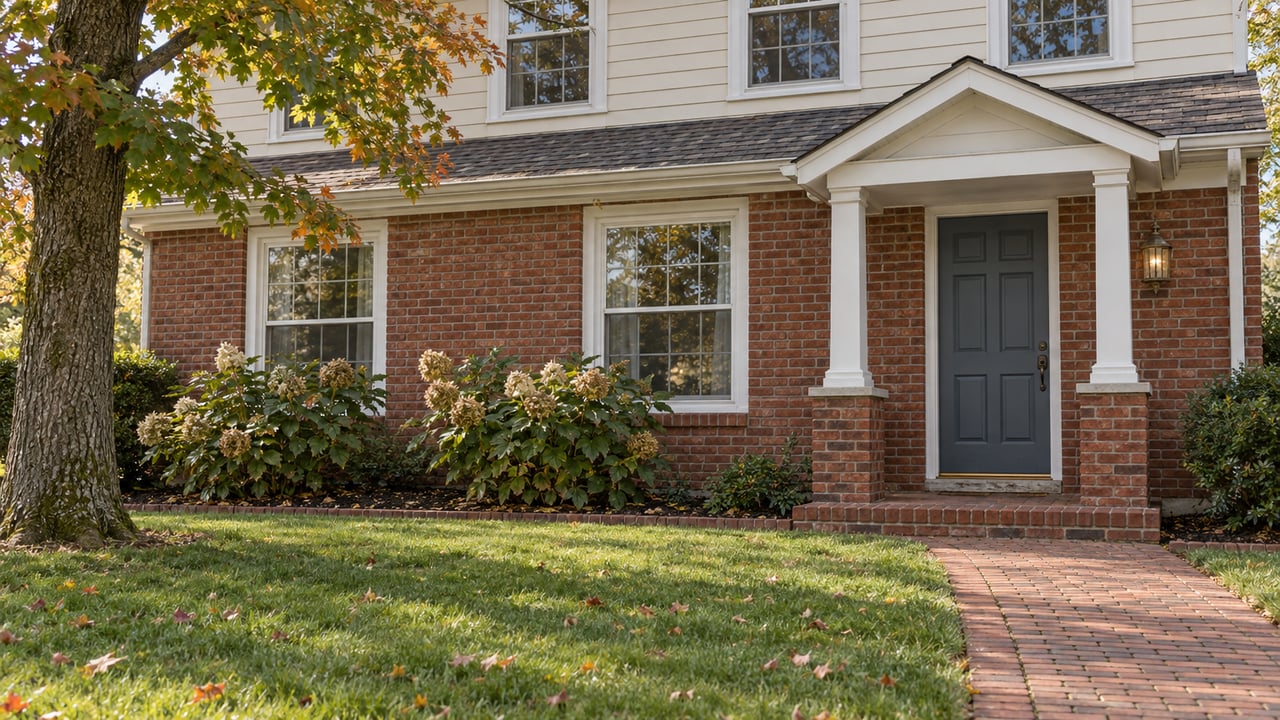
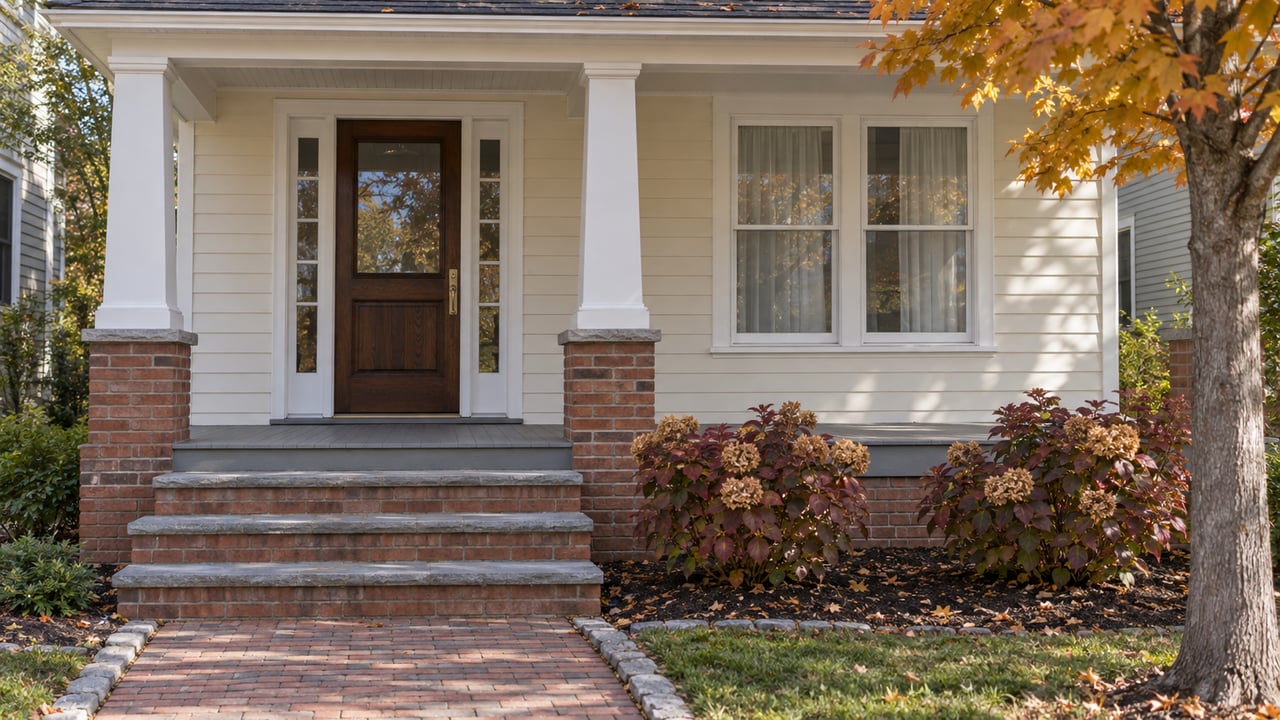
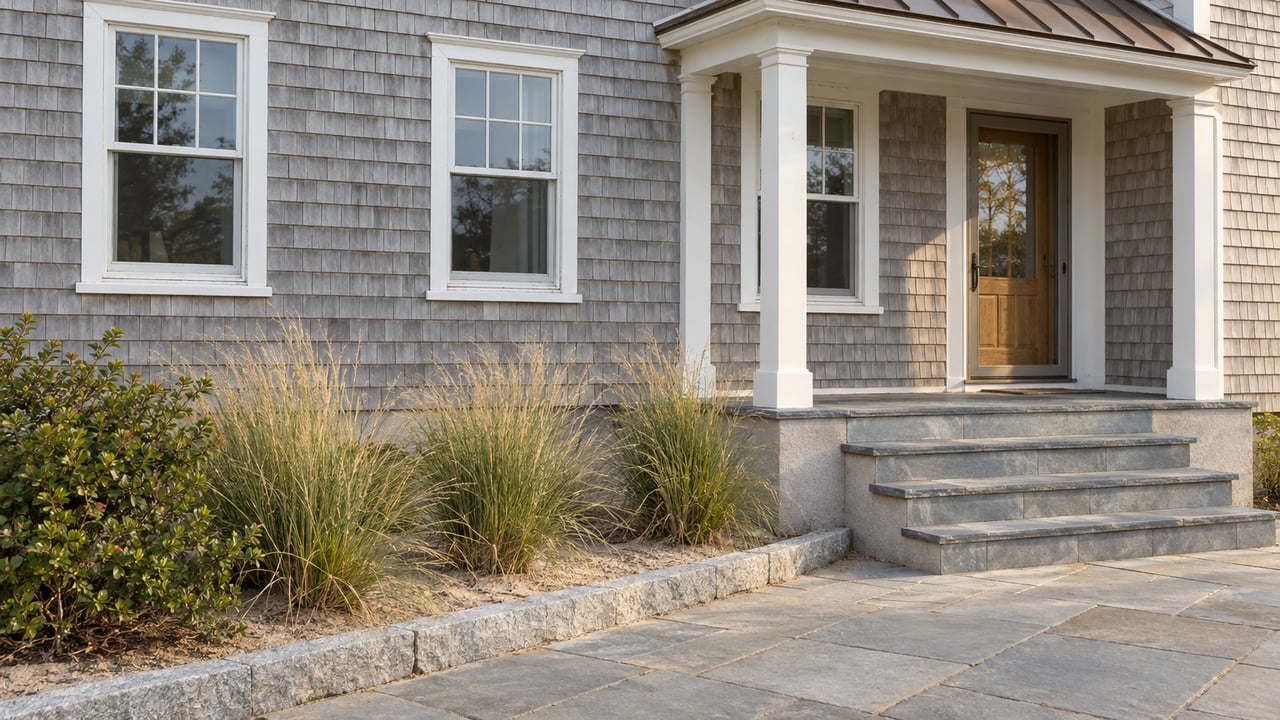
In Moorestown, curb appeal matters because so much of the town’s charm begins at street level. Tree-lined blocks, front yards, walkable areas, and classic facades all raise the importance of exterior presentation. Buyers often form an opinion before they ever step inside.
Focus on simple improvements that make the front of your home feel cared for:
- Edge and mulch planting beds
- Trim grass and remove weeds
- Sweep walkways and front steps
- Clean the front door and hardware
- Replace dead plants or tired seasonal containers
If the home will be vacant for any period, exterior upkeep becomes even more important. Moorestown’s property-maintenance ordinance requires vacant properties to keep grounds clean and maintained, including trash, debris, grass, and weeds.
Handle small repairs before buyers see them
After decluttering and cleaning, walk through your home with a critical eye. Minor issues that feel normal to you can stand out quickly during showings. A dripping faucet, chipped paint, loose hardware, or a sticking door may suggest deferred maintenance, even when the rest of the home is in good shape.
This is the stage to handle cosmetic fixes and touch-ups. Neutral paint refreshes, patching wall dings, replacing burned-out bulbs, and tightening loose handles can all help create a more finished look. In many homes, these smaller updates deliver a stronger return than taking on a major renovation right before listing.
Before starting any work, check whether your project may require township review. Moorestown’s Construction Office handles permits, inspections, and code compliance, so it is smart to confirm requirements in advance rather than guess.
Stage the rooms buyers notice most
Not every room needs the same level of attention. NAR’s 2025 staging data shows the rooms most commonly staged are the living room, primary bedroom, dining room, and kitchen. If you want to prioritize your time and budget, begin there.
Living room
The living room is the top room for staging, and for good reason. Buyers use it to judge everyday comfort, layout, and flow. Keep furniture arranged to show conversation space and easy movement through the room.
Remove extra pieces that crowd the layout. Add simple textures, balanced lighting, and a few restrained accents to make the room feel warm without feeling personal.
Primary bedroom
Your primary bedroom should feel calm, clean, and spacious. Crisp bedding, cleared nightstands, and reduced furniture can make a big difference. If the room doubles as storage overflow, move those items out before photos and showings.
Aim for a restful look with minimal visual noise. Buyers respond well to spaces that feel easy to settle into.
Kitchen and dining room
In the kitchen, clear counters as much as possible and store small appliances unless you use them daily. Fresh towels, clean surfaces, and bright lighting can help the room feel updated even if you are not doing a renovation. The goal is to highlight workspace, storage, and flow.
For the dining room, define the room clearly, even if your household uses it casually. A simple table setting or centered light fixture can help buyers understand the space right away. That matters because clearly defined rooms tend to photograph and show better.
Create launch-ready marketing assets
Once the home is fully prepped, it is time to market what you have created. NAR’s 2025 data shows buyers’ agents see photos, physical staging, videos, and virtual tours as important to clients. Sellers’ agents also rate photos and videos as important listing tools.
In other words, these are not extras. They are part of a strong launch strategy, especially in a market where buyers often begin their search online.
Professional photos matter
Photos are usually the first showing. If your home looks bright, clean, and well-composed online, you are more likely to earn interest and in-person visits. If the photos are rushed or poorly lit, buyers may scroll past before they ever learn what makes the home special.
That is why the prep sequence matters. Declutter first, clean deeply, make repairs, stage key rooms, and then schedule photography.
Video and 3D tours expand reach
Video and immersive digital tools can help more buyers engage with your home before they visit. This can be especially helpful for relocating buyers, busy professionals, and anyone comparing several homes at once. It also helps your listing feel more complete and polished from day one.
For sellers who want broad exposure, these assets support a more competitive launch. They can also help buyers better understand flow and layout before stepping through the door.
Use Compass tools strategically
If your home would benefit from pre-sale improvements, there may be more flexibility than you expect. Compass Concierge can front the cost of certain listing preparations, including staging, deep cleaning, decluttering, cosmetic renovations, landscaping, interior and exterior painting, moving, and storage, with zero due until closing, subject to program terms.
That can be useful if you want to improve presentation without paying for every step upfront. It can also help you avoid rushing the home to market before it is fully ready.
Compass also offers a phased launch approach. Sellers can begin as Private Exclusives, then move to Coming Soon, and finally go live publicly once the home and marketing are in place. For some Moorestown sellers, that structure creates valuable breathing room.
Plan Moorestown compliance steps early
A smooth spring sale is not just about staging and photos. In Moorestown, there are local requirements that sellers should check early so they do not become last-minute surprises.
Moorestown’s Certificate of Continuing Occupancy process says a change in occupancy requires coordination with Public Works, including inspection of the sanitary sewer system, water meter, and sidewalks. The township also says sellers or landlords must obtain a Certificate of Compliance from Moorestown Fire Prevention, and some properties adjoining township property may require a survey.
New Jersey also requires the updated Seller’s Property Condition Disclosure Statement for residential sellers, and that form includes flood-risk questions. For most homes built before 1978, sellers must also disclose known lead-based paint information, provide any available records, provide the EPA pamphlet, and give buyers a 10-day opportunity for an inspection or risk assessment. If you own an older Moorestown home, it is wise to prepare those materials early.
A simple spring-sale checklist
If you want a practical order of operations, use this list as your starting point:
- Declutter the entire home
- Deep clean all rooms and surfaces
- Improve front-yard and exterior presentation
- Complete minor repairs and paint touch-ups
- Confirm whether any planned work needs permits or inspections
- Stage the living room, primary bedroom, kitchen, and dining room
- Prepare required local and state disclosures early
- Schedule professional photos, video, and 3D tour assets
- Choose the right launch timing and pricing strategy
This sequence reflects the prep priorities most supported by the research and helps each step build on the last.
Preparing your Moorestown home for a strong spring sale does not mean doing everything at once. It means doing the right things in the right order, with a plan that fits your timeline, your home, and the local market. If you want thoughtful guidance on what to tackle, what to skip, and how to bring your home to market in its best light, connect with Colleen Hadden.
FAQs
What should sellers do first before listing a Moorestown home in spring?
- Start with decluttering, whole-home cleaning, curb appeal improvements, and minor repairs. These are the prep steps most often recommended in the 2025 NAR staging report.
Which rooms matter most when staging a Moorestown home for sale?
- Focus first on the living room, primary bedroom, kitchen, and dining room. NAR’s 2025 staging data shows these are the rooms most commonly staged.
Do professional photos and video really help a Moorestown home sale?
- Yes. NAR reports that both buyers’ agents and sellers’ agents view photos and video as important listing tools, and buyers’ agents also value virtual tours.
What local requirements should Moorestown sellers check before closing?
- Sellers should review Moorestown’s Certificate of Continuing Occupancy process, fire compliance requirements, possible survey needs for certain properties, and any applicable permit or inspection requirements through the township.
What disclosures do New Jersey sellers need for a Moorestown home sale?
- New Jersey requires the Seller’s Property Condition Disclosure Statement, which includes flood-risk questions. For most homes built before 1978, sellers must also provide required lead-based paint disclosures and related materials.
Can sellers use Compass Concierge to prepare a Moorestown home for market?
- Yes, if the property and project qualify under program terms. Compass says Concierge can cover items like staging, deep cleaning, decluttering, cosmetic improvements, landscaping, painting, moving, and storage, with zero due until closing.