Finding a home is often described as a search for "the one," but for parents of neurodivergent children, it’s more like a quest for a sanctuary.
Our journey began fifteen years ago when our son turned six and became eligible for kindergarten. It was a milestone that should have been filled with excitement, but instead, it became a wake-up call. We quickly realized that our local public school simply wasn’t equipped to support him, and the private schools we approached weren’t ready to accept him.
Today, my son is 21. Looking back on those years spent scouring the suburbs of Philadelphia and South Jersey, I’ve realized that finding a "good school district" isn’t just about high test scores or state rankings.
Defining Inclusion: Beyond the Buzzword
When we started our search, we were looking for inclusion. But we quickly learned that every school district defines that word differently. Inclusion isn’t just a legal checkbox; it’s about:
Acceptance: A culture where students and staff embrace neurodiversity rather than merely "tolerating" it.
Guidance: Educators who don’t just supervise but actively mentor and help navigate social hurdles alongside the student.
The South Jersey vs. Philly Suburb Dilemma
We spent countless weekends touring open houses and researching school board minutes. We learned that the "vibe" of a town often dictates the "vibe" of the classroom.
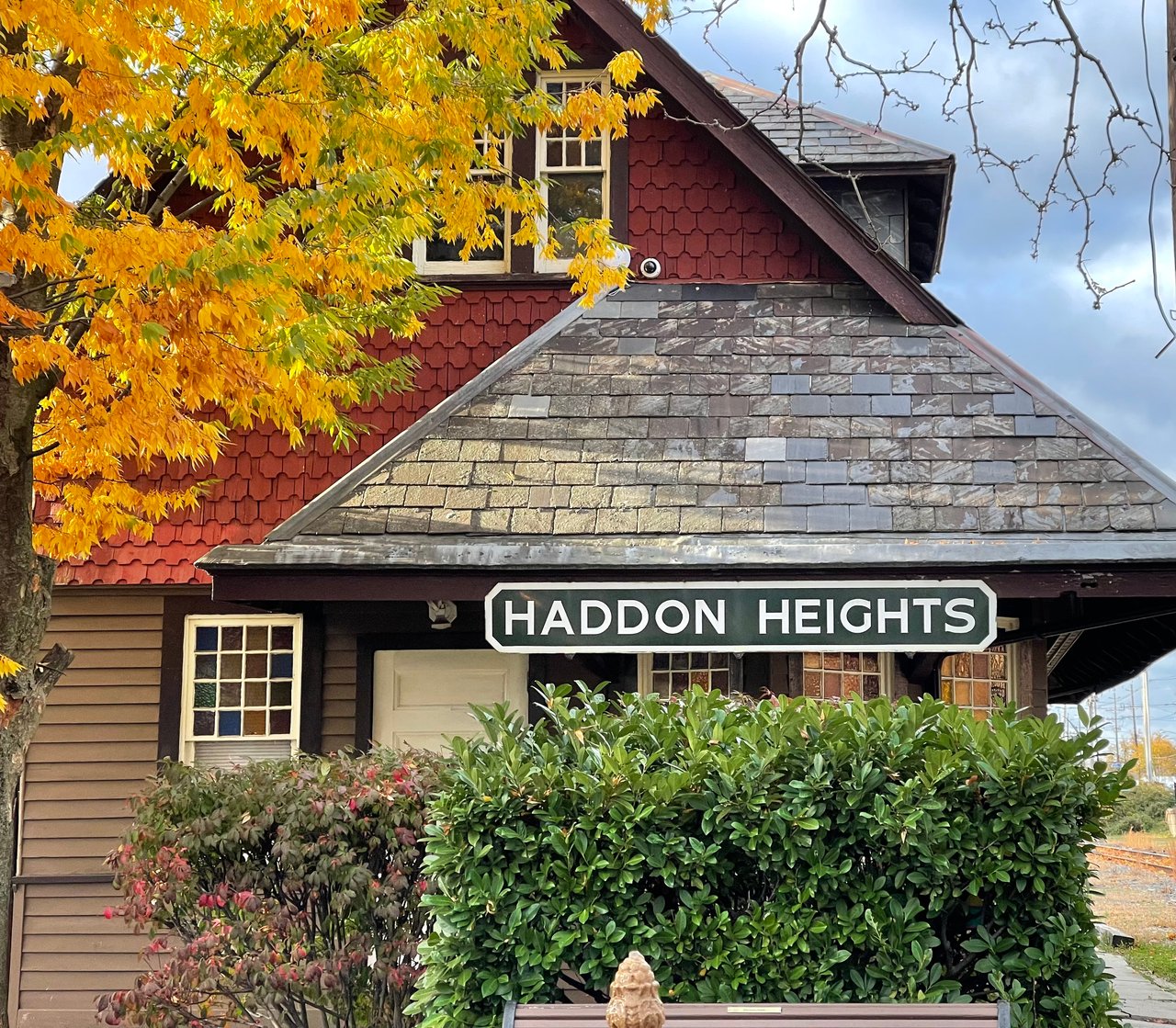
South Jersey: We explored towns like Moorestown, Haddonfield, and Cherry Hill, searching for a commitment to individual IEP goals that prioritized social-emotional growth.
Philadelphia Suburbs: In areas like The Main Line, particularly areas served by the top-rated Lower Merion School District, the resources are vast, but we had to ensure the high-pressure academic environment didn’t overshadow the need for individualized support.
Size, Location, and the "Sensory" Home
While the school was the catalyst, we also had to live in the house. For a child on the spectrum, the location and size of the home are functional requirements:
The Quiet Factor: Is the house on a busy street that could cause sensory overload?
Proximity to Support: How far is the drive to the specialist or the park where they feel safe?
Room to Decompress: We didn’t just need "more bedrooms"; we needed a layout that allowed for a "sensory retreat" space.
Why I Do What I Do: The Realtor Who Understands
I’m not just a Realtor; I’m a mom who has sat in those IEP meetings. I’ve felt the heartbreak of a "no" and the relief of finding a community that says, "We can help."
I use my personal experience to help families navigate the complex overlap between real estate and special education. When you work with me, we aren’t just looking at crown molding and school ratings, we’re evaluating the special education infrastructure and the long-term community acceptance for your child.