Dreaming about a shore home in Stone Harbor usually starts with a simple question: what would daily life actually feel like once the vacation ends and ownership begins? If you are considering a second home, a future retreat, or a place to gather with family by the coast, it helps to look past the postcard version and understand the rhythm of the town. This guide walks you through what ownership is really like in Stone Harbor, from beach access and boating to seasonal routines, home style, and upkeep. Let’s dive in.
Stone Harbor feels distinctly seasonal
Stone Harbor is a barrier-island resort town on the southern portion of Seven Mile Beach Island, bordered by the Atlantic Ocean and bay waters. The year-round population is about 866 residents, but the summer population rises to more than 23,000. That large seasonal shift shapes nearly every part of ownership.
In summer, the town feels lively, social, and active. Beaches, restaurants, shops, and events bring a steady energy that many owners love. After peak season, the pace changes and Stone Harbor becomes much quieter, which can feel peaceful if you want a calmer coastal routine.
Beach access becomes part of your routine
One of the biggest draws of owning in Stone Harbor is how easy it is to build beach time into everyday life. The borough provides ocean access at every street end from 80th Street south to 123rd Street, with more than three miles of beachfront and 42 access points. For a small shore town, that is broad access that supports a very beach-centered lifestyle.
Lifeguards are staffed at 22 beaches, and the borough maintains the beach and dune system. Seasonal beach raking and trash and recycling services also support the experience. For owners, that means the town actively manages the public spaces that shape day-to-day life at the shore.
Beach rules matter for owners
Ownership here also means learning the local systems that come with shore living. Beach tags are required for anyone age 12 and over from Memorial Day weekend through Labor Day weekend. According to the borough’s 2026 guide, tags cost $37 through May 31, $42 beginning June 1, $18 for weekly tags, and $10 for daily tags.
If you picture long beach days with family and guests, those details matter. They are not deal-breakers for most buyers, but they are part of the real rhythm of the season. Stone Harbor is polished and organized, and beach access comes with structure.
Stone Harbor Point offers a different beach experience
Not every part of town feels the same. Stone Harbor Point is a designated conservation area used for nature walking, fishing, beachcombing, and bird-watching. There is no swimming there, and dogs are not allowed.
That natural setting gives Stone Harbor a quieter, more nature-oriented side. If you are drawn to shore living that feels less crowded and more connected to the landscape, this is an important part of the ownership experience. It adds depth beyond the classic beach-chair-and-umbrella routine.
Bay life adds another layer
Stone Harbor is not just about the ocean. It also has a strong bay-side identity, which expands what ownership can look like from one season to the next. Bay access for fishing, crabbing, and bird watching exists at street ends that reach the bay shoreline.
The municipal marina at 81st Street offers seasonal slip rentals and a boat ramp for trailered vessels. Since the marina operates seasonally, boating tends to be a summer-centered activity. For buyers who want more than simple beach access, that ocean-and-bay combination is a major part of the appeal.
Outdoor living goes beyond the sand
Cape May County highlights Stone Harbor for fishing, sailing, surfing, swimming, shell collecting, and birding. That mix gives owners more ways to enjoy the area without needing a boardwalk-style environment. The town’s setting blends ocean, bay, marsh, and wildlife in one compact place.
That can make ownership feel fuller and more varied. Some days may center on the beach, while others are about quiet walks, time on the water, or watching shorebirds near protected natural areas. If you value outdoor living, Stone Harbor offers several versions of it.
The downtown is compact and easy to enjoy
Stone Harbor’s town center has a small, village-like feel. The central business district runs along 96th Street from the beach to the bridge, and many restaurants and shops cluster around 96th Street, Third Avenue, and Harbor Square. For owners, that often translates into easy walks for coffee, dinner, shopping, or a casual evening out.
The atmosphere is active without feeling oversized. You are not stepping into a large commercial strip or chain-heavy scene. Instead, the experience is more local, compact, and shore-focused.
Dining and shopping fit the setting
The local dining mix leans relaxed and coastal. Chamber listings include seafood spots, bayfront and outdoor dining, BYOB restaurants, ice cream shops, a sports bar, Italian and panini options, and waterfront places known for sunset views.
Shopping follows a similar pattern. You will find surf shops, boutiques, home accents, hardware, swimwear, jewelry, gift stores, and pet-friendly businesses. For many owners, that blend supports the kind of casual but polished routine people hope for in a shore town.
Summer events shape the social calendar
Ownership in Stone Harbor often feels most active during the summer season, and the event calendar reinforces that. The borough’s 2026 information guide highlights Memorial Day beach-opening festivities, a Sunday farmers market, a summer concert series, a marina boat parade, September wine, beer, and food events, and Island Holiday Weekend in late November.
These events help the town stay engaging beyond just beach weather. While summer is still the center of activity, shoulder-season events add life before and after peak months. If you want a home that still gives you reasons to visit outside July and August, that matters.
Homes reflect both history and change
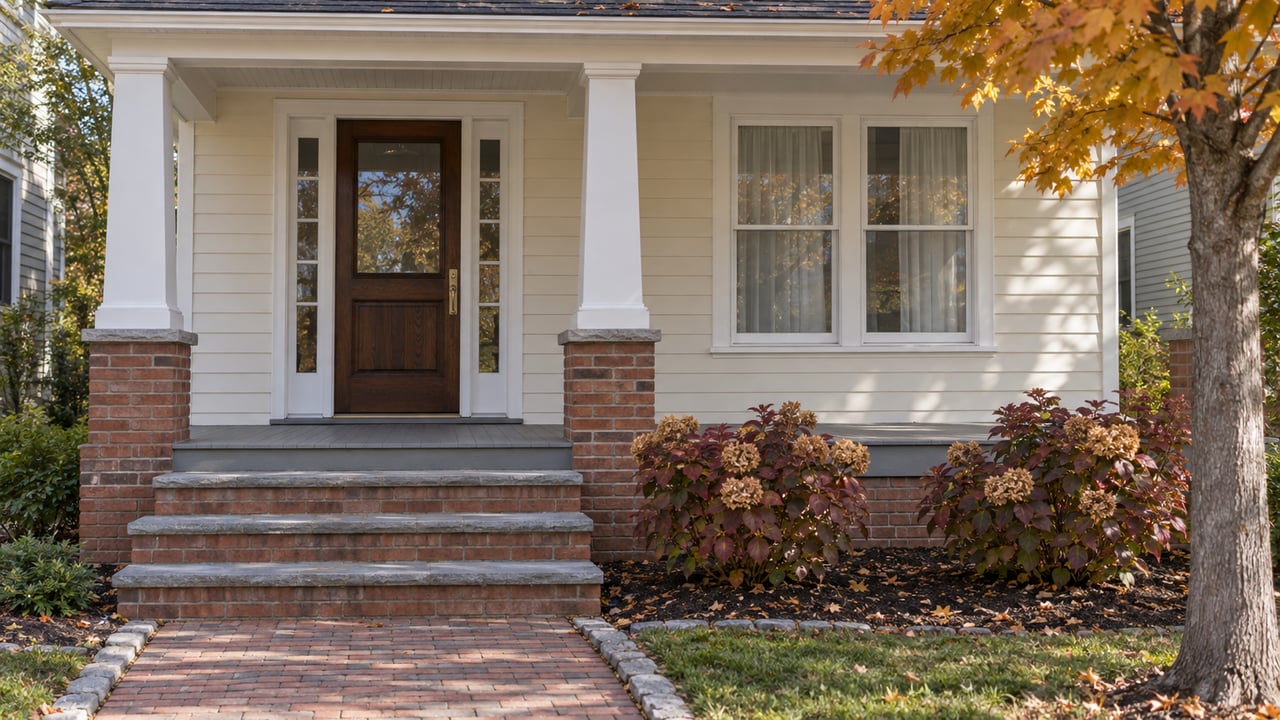
Part of Stone Harbor’s charm comes from its housing mix. Early homes in the borough included shingle-style cottages, Victorian-style beach houses with turrets, Dutch Colonial summer cottages, bungalows, and Craftsman-influenced cottages. Historic features included wraparound porches, elevated stairways, wood shingle siding, and widow’s walks.
Over time, some original cottages were replaced by larger and more modern homes. As a result, buyers today often notice a mix of older shore character on some blocks and newer, more expansive beach houses on others. That balance between nostalgia and reinvention is part of what makes the market interesting.
Style and practicality go together
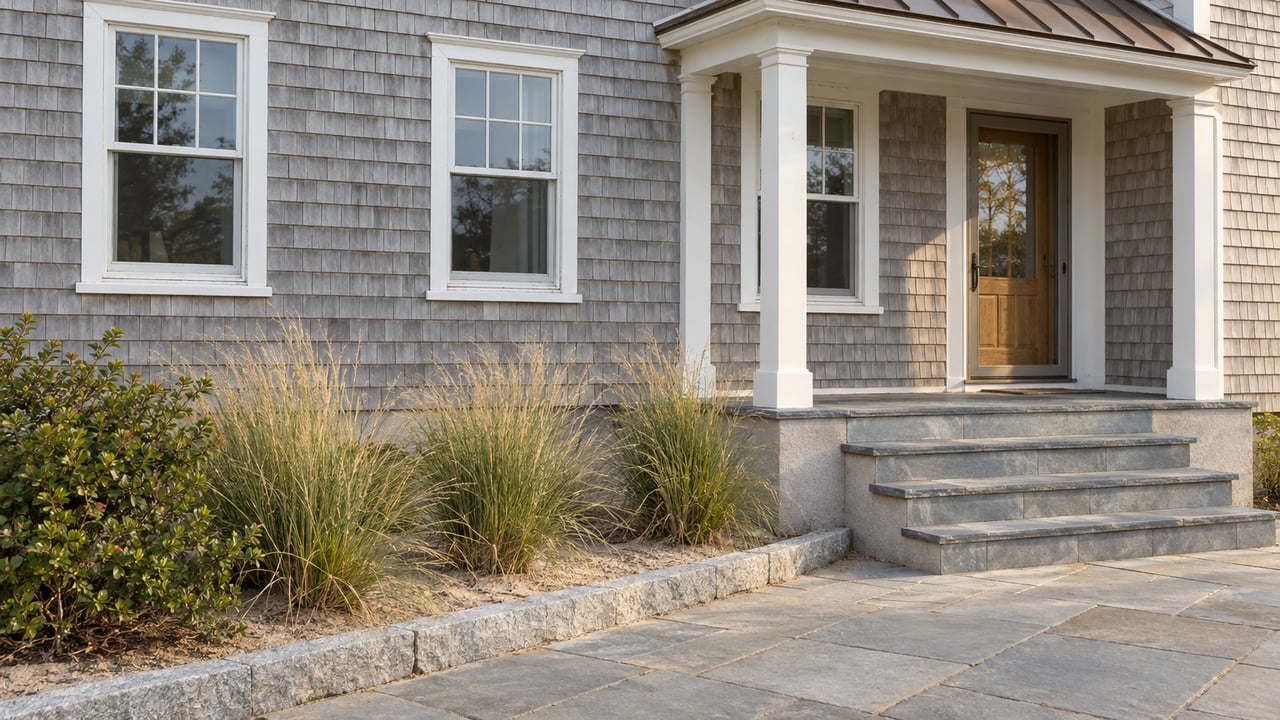
A Stone Harbor home is not only about curb appeal or character. Coastal ownership also asks for practical thinking about materials, exposure, and upkeep. The setting itself influences how owners maintain the exterior and use outdoor space.
For example, local historical accounts note that sandy soil can make grass difficult and costly to maintain, which helps explain why some properties use pebbles instead of traditional lawns. In a place like Stone Harbor, practicality often shapes design choices just as much as aesthetics do.
Maintenance is part of the lifestyle
This is one of the most important things to understand before buying. Owning a shore home in Stone Harbor usually means more exterior maintenance and more weather awareness than owning an inland home. Sand, salt air, storms, and seasonal wear are simply part of the package.
Borough guidance points owners toward storm readiness, flood information, and code-compliant work. The borough also actively maintains crossovers, sand areas, and beach access, which reflects the reality of living in a coastal environment. The setting is beautiful, but it asks for attention.
What that means day to day
If you love the idea of shore ownership, this extra maintenance may feel like a fair trade. Still, it helps to go in with clear expectations. You are not just buying a house near the water. You are taking on a home that lives in a coastal system.
That means planning for seasonal opening and closing routines, staying attentive to exterior wear, and understanding local beach and access rules. Buyers who do best here are often the ones who appreciate the lifestyle enough to embrace the work that comes with it.
What ownership really feels like
Owning a shore home in Stone Harbor feels polished, beach-driven, and strongly seasonal. You get direct access to the ocean, meaningful access to the bay, a compact downtown with dining and shopping, and a setting that blends coastal activity with natural beauty. At the same time, you also take on the realities of seasonal crowds, beach tags, weather awareness, and ongoing upkeep.
For many buyers, that tradeoff is exactly the point. Stone Harbor offers a shore experience that feels organized, relaxed, and tied closely to the landscape. If that balance matches the way you want to spend your time at the coast, ownership here can feel deeply rewarding.
If you are exploring South Jersey shore homes and want help thinking through lifestyle fit, seasonal use, or what to expect block by block, Colleen Hadden can help you navigate the process with local insight and thoughtful guidance.
FAQs
What is daily life like when you own a home in Stone Harbor?
- Daily life in Stone Harbor tends to be beach-centered in summer and much quieter in the off-season, with easy access to the ocean, bay activities, dining, shopping, and nature-focused recreation.
What should buyers know about Stone Harbor beach access?
- Stone Harbor offers beach access at every street end from 80th Street to 123rd Street, with more than three miles of beachfront, 42 access points, and lifeguards staffed at 22 beaches.
What are Stone Harbor beach tag costs for owners and guests?
- The borough’s 2026 guide lists beach tags at $37 through May 31, $42 beginning June 1, $18 for weekly tags, and $10 for daily tags, with tags required for people age 12 and over from Memorial Day weekend through Labor Day weekend.
What outdoor activities come with owning in Stone Harbor?
- Owners can enjoy swimming, fishing, crabbing, sailing, surfing, shell collecting, bird-watching, boating, and nature walks, depending on the location and season.
What is the downtown area like in Stone Harbor for homeowners?
- The downtown area is compact and centered around 96th Street, Third Avenue, and Harbor Square, with a shore-focused mix of restaurants, boutiques, gift shops, surf shops, and casual shopping stops.
What types of homes do buyers find in Stone Harbor?
- Buyers will see a mix of older shore cottages with historic character and newer, larger beach homes, reflecting both the borough’s architectural history and its ongoing evolution.
What maintenance should buyers expect with a Stone Harbor shore home?
- Buyers should expect more exterior upkeep, storm awareness, and attention to coastal conditions than they would with many inland homes, including the effects of sand, salt air, and seasonal weather.
Is Stone Harbor a good fit for seasonal or second-home ownership?
- Stone Harbor is strongly seasonal, with a much larger summer population and an event calendar that peaks in warmer months, so it can be a strong fit for buyers looking for a second home or seasonal coastal retreat.